
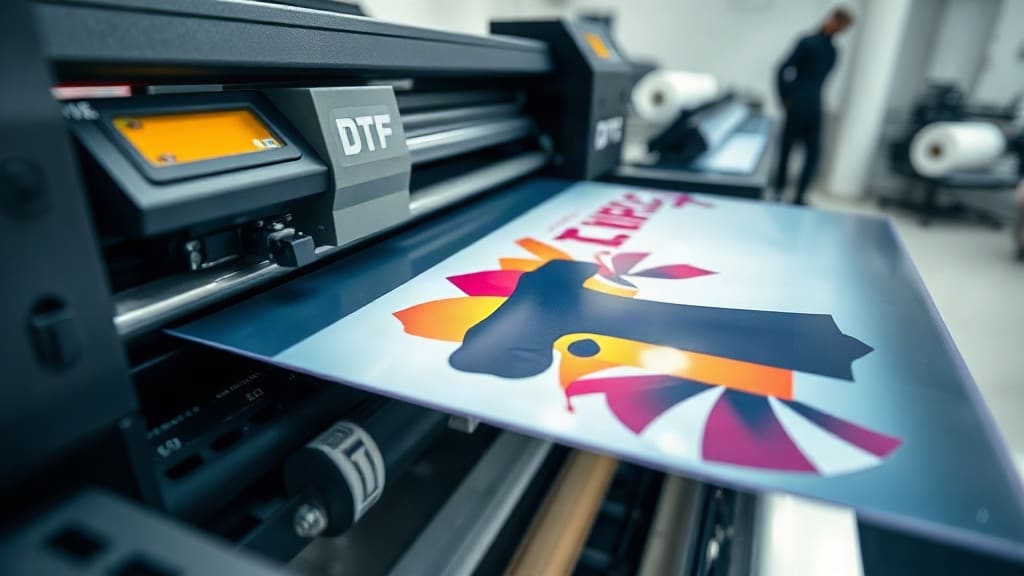
If you've been exploring custom apparel decoration, you've likely heard about DTF printing. Short for Direct to Film, this technology has taken the industry by storm, offering a versatile and cost-effective way to create vibrant designs on a wide range of fabrics. Whether you're a small business owner, a hobbyist, or just curious about modern printing methods, this guide will walk you through everything you need to know about DTF printing, from the basic process to pro-level tips for flawless results.
What Is DTF Printing?
DTF, or Direct to Film, is a printing method where designs are printed onto a special PET film, coated with adhesive powder, and then heat-pressed onto fabric. Unlike traditional screen printing or heat transfer vinyl, DTF allows for high-detail, full-color prints without the need for weeding or complex setup. This makes it an attractive option for both small runs and large productions, especially when dealing with complex graphics or photographic images.
How DTF Printing Works
The DTF process might sound straightforward, but each step is crucial to achieving a durable, vibrant transfer. Let's break it down:
- Design Creation: You start with a digital design, usually in CMYK plus white. The white ink acts as a base layer to ensure colors pop on dark garments.
- Printing: Using a DTF printer, the design is printed in reverse onto a special film. The printer uses pigment-based inks, including white, which is applied where needed.
- Powder Application: While the ink is still wet, a fine hot-melt adhesive powder is applied to the printed film. This powder sticks to the ink and will later bond the design to the fabric.
- Curing: The film with powder is passed through a curing oven or heat source, which melts the powder, creating a tacky layer that will adhere to the garment.
- Heat Press: The film is placed on the garment, adhesive side down, and pressed with a heat press at around 160-170°C (320-340°F) for 10-20 seconds. After peeling the film away, the design remains on the fabric.
Advantages of DTF Over Other Methods
Why choose DTF? Let's compare it to popular alternatives like screen printing, heat transfer vinyl (HTV), and sublimation.
DTF vs. Screen Printing
Screen printing is known for its durability and vibrancy, but it requires significant setup, especially for multi-colored designs. DTF eliminates setup time, allowing for quick turnaround and easy handling of complex, full-color graphics. It's also more cost-effective for small batches, as there are no screen costs.
DTF vs. Heat Transfer Vinyl
HTV is great for simple designs but struggles with detailed images and gradients. DTF can reproduce photographic details with ease, and there's no need to weed out excess material, saving hours of labor. Plus, DTF prints feel softer and more flexible, especially on stretchy fabrics.
DTF vs. Sublimation
Sublimation works only on polyester or light-colored garments, while DTF works on cotton, polyester, blends, and even leather or nylon. This versatility is a huge advantage for shops that handle various garment types.
Materials and Equipment Needed for DTF
To start with DTF, you'll need specific materials and equipment. Here's a checklist:
- DTF Printer: Usually an Epson or other inkjet printer modified for DTF, with a white ink circulation system to prevent clogging.
- DTF Inks: Pigment-based inks, including CMYK plus white. High-quality inks ensure color vibrancy and washability.
- PET Film: The carrier for the print. Choose the right thickness and coating for optimal ink adhesion.
- Hot Melt Adhesive Powder: This powder turns into the glue that binds the design to the fabric. It's available in different particle sizes; fine powder for detailed designs, coarse for larger areas.
- Curing Oven or Heat Tunnel: Used to melt the powder. Some use a simple heat gun, but for consistency, a dedicated unit is better.
- Heat Press: Essential for transferring the design onto the garment. A clamshell or swing-away press works well.
Step-by-Step Guide to Making a DTF Transfer
Let's walk through a practical example. Suppose you want to print a company logo on a cotton t-shirt.
1. Preparing Your Design
Use software like Photoshop or CorelDRAW to create your design. Remember to mirror the image if you're printing in reverse. For best results, keep the resolution high (300 DPI) and consider using a RIP software to manage color profiles and white ink.
2. Printing Your Design
Load the PET film into the printer. Ensure the printer settings match the film type. Print your design with a layer of white ink beneath the colors. Some designs might need a highlight white layer as well.
3. Applying Powder
Immediately after printing, sprinkle the adhesive powder over the wet ink. Shake off the excess and make sure the powder covers all inked areas. You can use a powder shaker or a dedicated powder applicator.
4. Curing the Powder
Pass the film through a curing oven or use a heat press at a lower temperature to gently melt the powder. The powder should turn from a grainy texture to a smooth, tacky layer. Be careful not to overheat, as it can cause the powder to bubble.
5. Pressing the Design
Place the film on your garment with the adhesive side down. Use a heat press set to the recommended temperature and pressure. Typically, you'll press for 15 seconds at around 160°C (320°F). After pressing, peel the film off while it's still warm (hot peel) or after it cools (cold peel), depending on the powder type.
Tips for Perfect DTF Transfers
Getting professional results every time takes a bit of practice. Here are some tips I've learned from experience:
- Test, Test, Test: Before committing to a full run, test on a sample fabric to adjust temperature, time, and pressure. Every heat press is different.
- Watch Ink Saturation: Too much ink can cause bleeding or a stiff hand. Calibrate your printer for optimal ink output.
- Powder Evenly: Uneven powder application leads to spots that don't stick. Shake well and use a brush to ensure full coverage.
- Peel Carefully: Follow the powder manufacturer's instructions for hot or cold peeling. Wrong peel timing can pull off or crack the design.
- Post-Press for Durability: Some printers recommend a second press (with parchment paper) after peeling to increase wash resistance.
Common DTF Problems and How to Fix Them
Even seasoned printers face issues. Here are typical problems and their solutions:
Poor Adhesion
If the design peels off easily, it's likely the powder didn't cure properly or you didn't press long enough. Increase the curing temperature or time, and ensure the heat press is at the right temperature.
Fading or Cracking
This often happens with cheap inks or improper powder. Use high-quality materials and follow the recommended curing times. Also, avoid stretching the design during peeling.
White Ink Clogging
White ink is notorious for settling. Use the printer's maintenance cycle regularly and shake the ink cartridges to keep the pigment suspended. Some printers have a circulation system to mitigate this.
DTF vs. DTG: Which Is Better for Your Business?
Direct to Garment (DTG) printing is another popular method, but DTF has some distinct advantages. DTG prints directly onto the fabric, but it's often slower and requires pre-treatment for cotton. DTF is faster for bulk orders and works on more fabric types. However, DTG might be better for very large orders of 100% cotton items, as it offers a softer feel. For most businesses, DTF offers more flexibility and lower upfront costs.
Cost Considerations in DTF Printing
The initial investment for a DTF setup can range from a few thousand to tens of thousands of dollars, depending on the printer and equipment. However, the cost per print is relatively low, especially when you compare it to screen printing setup costs. Consumables like film, powder, and ink add up, but you can price your products competitively while maintaining healthy margins.
Environment and Safety
Like any industrial process, DTF has environmental considerations. The PET film and powder need proper disposal. Many suppliers offer eco-friendly options, like biodegradable films or powder made from recycled materials. Always ensure proper ventilation when curing powder to avoid inhalation of fumes.
Frequently Asked Questions About DTF
Is DTF printing durable?
Yes, DTF prints are highly durable when done correctly. They can withstand multiple washes and stretching without cracking or fading, especially when using quality inks and adhesive powders. The key is to follow the recommended pressing and curing parameters.
Can DTF be used on any fabric?
One of the biggest advantages of DTF is its versatility. It works on cotton, polyester, blends, nylon, leather, and even some other materials like canvas. However, the surface should be smooth and able to withstand the heat press temperature.
What is the difference between hot peel and cold peel DTF?
Hot peel means you remove the film immediately after pressing, which results in a matte finish and is faster for production. Cold peel requires waiting for the film to cool, which gives a glossy finish and sometimes better adhesion for certain powders. The choice depends on the desired look and the powder type.
How long does a DTF transfer take?
From printing to final press, a single transfer can take just a few minutes. Printing a full sheet might take 5-10 minutes, but the actual pressing takes under a minute per garment. This makes DTF very efficient for small to medium runs.
Do I need a special printer for DTF?
Yes, you need a printer that can handle pigment inks, especially white. Many people convert Epson EcoTank or SureColor models using DTF conversion kits. Alternatively, you can purchase a purpose-built DTF printer. Ensure it has a white ink circulation system to prevent clogging.
Conclusion
DTF printing is a game-changer in the custom apparel industry, offering unmatched versatility, quality, and ease of use. Whether you're just starting or looking to expand your printing capabilities, DTF provides an accessible path to professional results. By understanding the process, investing in quality materials, and practicing your technique, you'll be producing stunning, durable prints in no time. So go ahead, unleash your creativity, and make your mark with DTF printing.