
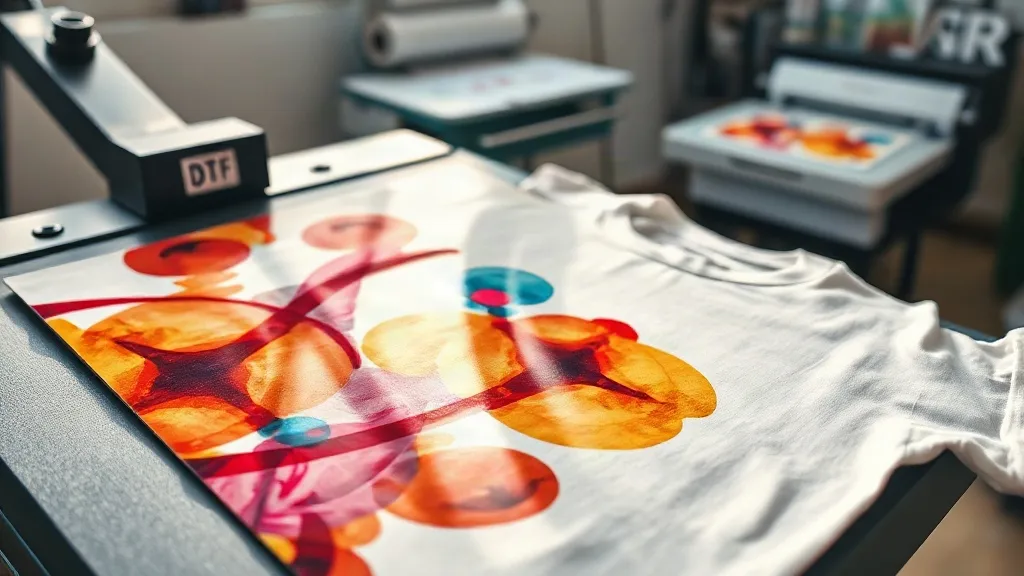
If you've been exploring custom apparel printing, you've likely come across dtf transfers. This technology is rapidly changing how small businesses and creators approach printing on demand. Unlike traditional methods that require bulky equipment or minimum orders, DTF transfers offer a flexible, cost-effective way to produce vibrant, durable prints on various fabrics. In this guide, we'll walk you through everything you need to know about dtf transfers, from the basics to practical tips for getting started.
What Are DTF Transfers?
DTF stands for Direct to Film. It's a printing method where your design is printed onto a special film, coated with a powder adhesive, and then heat-pressed onto the fabric. The result is a soft, stretchable print that bonds well with cotton, polyester, and blends. Unlike DTG (Direct to Garment) which prints directly onto the shirt, DTF transfers allow you to print the design first and apply it later, giving you more control and flexibility.
How DTF Transfers Differ from Other Printing Methods
Compared to screen printing, DTF doesn't require separate screens for each color, making it ideal for complex, multi-color designs. Unlike vinyl cutting, DTF can handle fine details and gradients without weeding. And unlike sublimation, DTF works on cotton and dark fabrics, not just polyester. This versatility is why many print shops are adding DTF to their offerings.
Why Choose DTF Transfers for Your Business?
Whether you're a small business owner, a craft hobbyist, or a side-hustler, DTF transfers offer several compelling advantages.
- No minimum orders: You can print one-off designs or small batches without committing to bulk quantities.
- Cost-effective: The equipment and materials are more affordable than DTG or screen printing setups.
- Versatile: Works on a wide range of fabrics and colors, including dark and light materials.
- Durable: Prints resist cracking, peeling, and fading even after multiple washes.
- Fast turnaround: Once you have the film, pressing takes only seconds per item.
These benefits make DTF transfers an excellent choice for personalized gifts, small-batch merchandise, and on-demand production.
How to Get Started with DTF Transfers
Getting started with DTF transfers is straightforward. Here's a step-by-step overview.
- Design your artwork: Create your design using graphic software. Ensure it's high resolution and mirrored if needed.
- Print on film: Use a DTF printer with specialized inks to print onto PET film.
- Apply adhesive powder: While the ink is wet, sprinkle hot-melt adhesive powder over the design.
- Cure the powder: Use a heat press or oven to melt the powder, creating a adhesive layer.
- Press onto fabric: Place the transfer on your garment and heat press according to the settings.
- Peel and enjoy: Once cooled, peel off the film to reveal your vibrant print.
If you don't want to invest in a printer, you can order pre-made DTF transfers from companies like DTF Print It. They handle the printing and shipping, so you just press and go.
Choosing the Right DTF Supplies
Quality supplies are key to successful DTF transfers. Here are some factors to consider.
DTF Printer and Inks
Not all printers are created equal. Look for a printer designed for DTF, with white ink capability and reliable print heads. Pigment inks formulated for DTF ensure vibrant colors and durability.
Transfer Film
PET film is the standard. It should be coated to accept ink and release cleanly. Thickness and finish can affect the final feel.
Adhesive Powder
Hot-melt adhesive powder comes in different particle sizes. Finer powders give a softer feel, while coarser ones provide stronger bonds. Choose based on your fabric and desired outcome.
Common Challenges and How to Overcome Them
Even with the right supplies, you might run into issues. Here's how to troubleshoot.
- Faded prints: Ensure your ink is properly cured and you're using enough powder.
- Peeling after wash: Check your heat press settings. Insufficient temperature or pressure can cause poor adhesion.
- Cracking: Stretching the fabric too much during pressing can cause cracks. Use moderate pressure.
- Color bleeding: Use high-quality inks and avoid over-saturating the film.
With practice, you'll develop a feel for the process and be able to produce consistent results.
Applications of DTF Transfers
DTF transfers aren't just for t-shirts. They can be applied to hoodies, tote bags, caps, and even shoes (with care). They're great for personalizing gifts, creating team uniforms, or launching a clothing line. Because the prints are stretchable, they work well on athletic wear. And since they adhere to both cotton and polyester, you're not limited by fabric type.
Cost Breakdown: DTF vs Other Methods
Let's compare the costs of DTF transfers with other popular printing methods.
- DTF: Low setup cost, moderate material cost per print. No minimums.
- Screen printing: High setup cost per color, low cost per print for large runs.
- DTG: High equipment cost, moderate cost per print, limited to cotton.
- Vinyl: Low equipment cost, high labor for weeding, limited to simple designs.
For small batches and complex designs, DTF often comes out ahead in terms of cost and convenience.
Tips for Success with DTF Transfers
To get the best results, keep these tips in mind.
- Pre-press your garment: This removes moisture and wrinkles for better adhesion.
- Use the right settings: Follow the recommended temperature, pressure, and time for your specific materials.
- Test on scrap fabric: Before pressing onto a final product, test on a similar fabric to dial in your settings.
- Store transfers properly: Keep unused transfers in a cool, dry place to prevent premature curing.
- Invest in a quality heat press: A good press ensures even pressure and consistent results.
Frequently Asked Questions
What fabrics can I use with DTF transfers?
DTF transfers work on a wide range of fabrics, including cotton, polyester, blends, and even some synthetics. They adhere well to both light and dark materials.
How long do DTF prints last?
With proper application and care, DTF prints can last as long as the garment itself. They resist cracking, peeling, and fading for many washes.
Do I need a special printer for DTF?
Yes, you need a DTF printer that uses pigment inks and has white ink capability. Alternatively, you can order pre-printed transfers from a service like DTF Print It.
Can I use DTF transfers on 100% cotton?
Absolutely. DTF transfers adhere well to 100% cotton and are a great alternative to DTG for cotton fabrics.
Is DTF printing cost-effective for small businesses?
Yes, DTF is cost-effective for small businesses because it has low setup costs and no minimum order requirements, making it ideal for small batches and custom orders.
Whether you're just starting out or looking to expand your printing capabilities, DTF transfers offer a versatile, affordable solution. With a bit of practice, you'll be creating professional-quality prints in no time.