
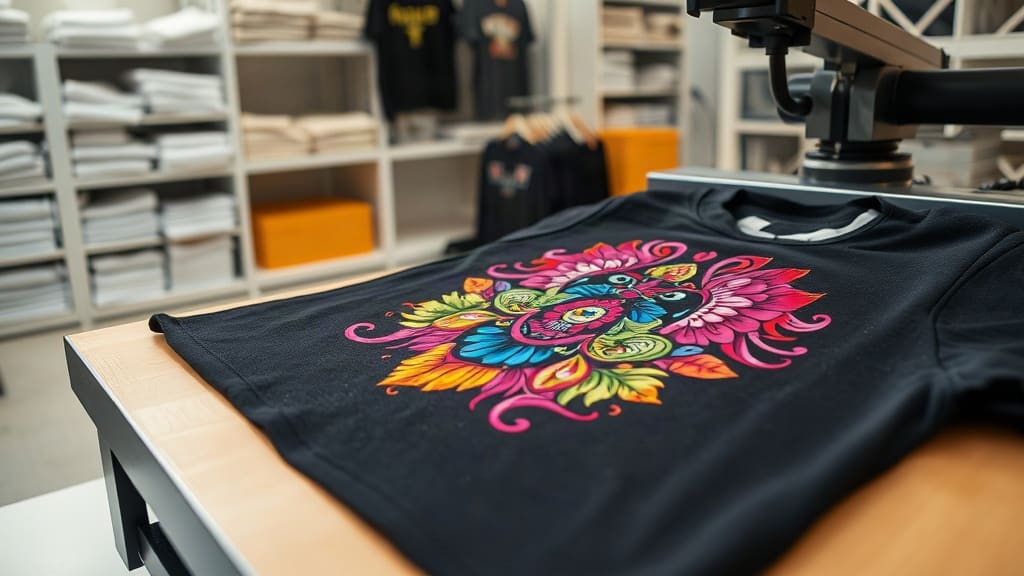
DTF transfers have revolutionized the custom printing industry, offering a versatile and cost-effective way to create vibrant designs on various fabrics. If you're new to this technology or looking to expand your knowledge, you've come to the right place. This guide will walk you through everything from the basics to advanced tips, ensuring you get the most out of your printing projects.
What Are DTF Transfers?
DTF stands for Direct to Film. It is a printing method where a design is printed onto a special PET film using a DTF printer, then coated with adhesive powder and cured. The final transfer is then applied to fabric using a heat press. Unlike traditional methods like screen printing or vinyl, DTF allows for detailed, full-color prints with a soft hand feel.
How Do DTF Transfers Work?
The process involves several key steps:
- Printing: A DTF printer, which uses CMYK plus white ink, prints the design in reverse onto the film.
- Adhesive Application: After printing, a hot-melt adhesive powder is applied to the wet ink. The powder sticks only to the inked areas.
- Curing: The film is passed through a dryer or heat source to melt and cure the adhesive, making it ready for transfer.
- Transfer: The film is placed on the fabric with the design facing down, and a heat press applies pressure and heat, typically around 160°C (320°F) for 15 seconds.
- Peeling: Once the transfer has cooled, the film is peeled away, leaving the design permanently embedded in the fabric.
Advantages of DTF Transfers
Why should you consider DTF for your printing needs? Here are some compelling benefits:
- Vibrant Colors: With white ink underbase, colors pop on both light and dark fabrics.
- Soft Hand Feel: The thin film layer results in a print that feels soft to the touch, unlike heavy plastisol inks.
- Stretchability: DTF prints can stretch without cracking, making them ideal for activewear.
- Versatility: Works on cotton, polyester, blends, and even non-fabric materials like leather and nylon.
- Cost-Effective: No minimum order requirements; you can print one-off items or small batches economically.
- Durability: When properly applied, DTF prints withstand multiple washes without fading or peeling.
DTF Transfers vs. Other Methods
To appreciate DTF, it's helpful to compare it with other popular techniques:
DTF vs. Screen Printing
Screen printing is excellent for large runs but requires significant setup and is impractical for small quantities. DTF offers a quicker and cheaper alternative for small to medium orders, with no screen setup.
DTF vs. Sublimation
Sublimation works only on polyester and light-colored fabrics. DTF is more versatile, adhering to both natural and synthetic fibers. Plus, DTF can produce white and light colors on dark garments, which sublimation cannot.
DTF vs. Vinyl
Vinyl is great for simple, solid-color designs but lacks detail. DTF can reproduce intricate patterns, gradients, and photographic images with ease, giving you greater creative freedom.
How to Use DTF Transfers: Step-by-Step
Using DTF transfers is straightforward, even for beginners. Here’s a simple guide:
- Prepare the Fabric: Pre-press the garment for a few seconds to remove moisture and wrinkles.
- Position the Transfer: Place the film on the fabric with the design facing down.
- Heat Press: Set your heat press to the recommended temperature (usually around 160°C) and moderate pressure.
- Press: Apply heat for 15-20 seconds. The exact time may vary based on the transfer and fabric.
- Peel: While still warm, peel the film off at a sharp angle. For best results, some prefer to peel when cool, but check the manufacturer's instructions.
- Post-Press: A quick second press over the printed area can enhance durability.
Tips for Perfect DTF Prints
To achieve professional results, keep these tips in mind:
- Use High-Quality Films and Inks: Invest in reputable brands to avoid issues like color bleeding or poor adhesion.
- Calibrate Your Printer: Regular maintenance and color calibration ensure consistent output.
- Test Before Bulk: Always do a test print on a scrap fabric to check colors and adhesion.
- Proper Storage: Keep unused transfers in a cool, dry place to prevent adhesive degradation.
- Washing Care: Recommend turning garments inside out and washing in cold water to prolong print life.
Common Mistakes to Avoid
Even experienced printers can make errors. Avoid these pitfalls:
- Incorrect Temperature: Too low can lead to poor adhesion; too high can cause the film to melt onto the fabric.
- Insufficient Pressure: Ensure even pressure across the press to avoid patchy transfers.
- Peeling Too Early: If you peel while the film is too hot, the design might pull away; wait for it to cool slightly.
- Using the Wrong Side of the Film: Always print on the correct side, usually marked.
Frequently Asked Questions About DTF Transfers
Can DTF transfers be used on any fabric?
Yes, DTF works on most fabrics including cotton, polyester, blends, and even some coated materials. However, it is not recommended for very lightweight fabrics like silk without proper backing.
How many washes can DTF transfers withstand?
With proper care, DTF transfers can easily last 50+ washes without significant fading or peeling. Cold washing and avoiding harsh detergents will extend their lifespan.
What is the price range for DTF transfers?
Costs vary based on size, quantity, and supplier. On average, a standard A3 transfer might cost between $2 and $5, but custom quotes are common. For businesses, DTF proves cost-effective for low-volume orders.
Do DTF transfers have a plastic feel?
No, one of the main advantages is the soft feel. The film is thin, and after transfer, only the ink remains, which feels like part of the fabric.
Can I use DTF transfers with a home iron?
While possible, it's not recommended. A heat press provides even pressure and temperature, crucial for durable results. A home iron may produce weaker adhesion and shorter lifespan.
Final Thoughts
DTF transfers are a game-changer for custom apparel, offering print shops and hobbyists alike a flexible, high-quality solution. By understanding the process, leveraging its advantages, and avoiding common mistakes, you can produce stunning, durable prints that impress your customers or elevate your own projects. Whether you're starting a business or just love DIY, DTF technology opens up a world of creative possibilities. So, dive in, experiment, and see why DTF is quickly becoming the preferred choice in the printing world.