
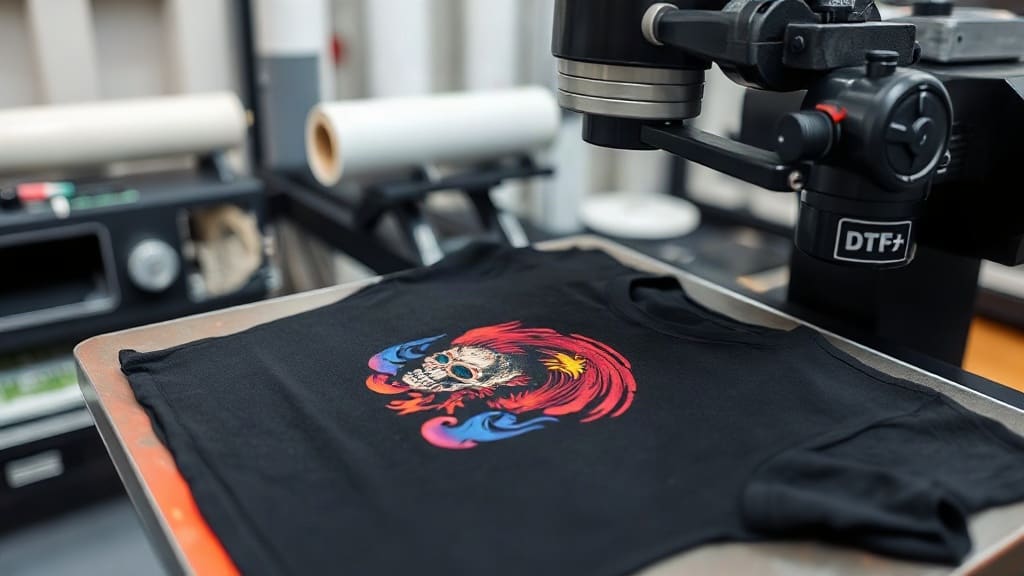
Are you looking for a printing method that delivers stunning color vibrancy, exceptional durability, and versatility across various fabrics? Look no further than DTF transfers. This innovative technology has revolutionized the custom apparel industry, offering a cost-effective and efficient alternative to traditional methods like screen printing and heat transfer vinyl. In this comprehensive guide, we'll explore what DTF transfers are, how they work, their numerous benefits, and share expert tips to help you achieve professional results every time.
What Are DTF Transfers?
DTF stands for Direct to Film. DTF transfers involve printing a design onto a special PET film using a DTF printer, then applying adhesive powder to the wet ink, and finally heat-pressing the film onto a garment. The result is a vibrant, detailed, and stretchable print that feels soft to the touch. Unlike other methods, DTF works exceptionally well on various fabrics, including cotton, polyester, blends, and even challenging materials like nylon and leather.
How DTF Transfers Work: The Step-by-Step Process
Understanding the process is key to mastering DTF printing. Here is a detailed breakdown:
- Design Creation: Create your artwork using graphic design software like Adobe Illustrator or Photoshop. Ensure your design has a white underbase layer, as this is crucial for color vibrancy on dark garments.
- Printing: Load the PET film into your DTF printer. The printer uses CMYK plus white ink to lay down the design. The white ink acts as an underbase, ensuring colors pop on any fabric color.
- Adhesive Powder Application: While the ink is still wet, apply hot-melt adhesive powder to the printed film. This powder is essential for bonding the transfer to the fabric.
- Curing: Pass the film through a curing oven or use a heat press to melt the adhesive powder, fusing it to the ink. This step solidifies the powder and prepares the transfer for application.
- Transfer to Garment: Place the film on the garment with the design facing down. Apply heat and pressure using a heat press, typically at 320°F (160°C) for 15-20 seconds with medium pressure.
- Peeling: After pressing, peel the film away while it's still hot (hot peel) or after cooling (cold peel), depending on the film type. Your vibrant, durable print is now complete!
Advantages of DTF Transfers
DTF transfers have gained immense popularity for several compelling reasons:
- Vibrant and Detailed Prints: DTF allows for high-resolution prints with excellent color reproduction, even on dark fabrics. The white underbase ensures colors remain true and vibrant.
- Durability: DTF prints are highly durable, withstanding repeated washing and stretching without cracking or fading. They are ideal for activewear and everyday garments.
- Versatility: Unlike screen printing, which is limited to certain fabric types and requires extensive setup, DTF works on a wide range of materials, including cotton, polyester, blends, and more.
- Soft Feel: The prints have a soft, flexible texture that enhances comfort, making them suitable for apparel that needs to feel like a second skin.
- Cost-Effective for Small Runs: DTF is perfect for custom orders, small batches, and even single items. There are no screen setup costs, making it affordable for startups and small businesses.
- Ease of Use: With a relatively simple process, DTF is accessible to beginners and professionals alike. The learning curve is shorter compared to other methods.
DTF Transfers vs. Other Printing Methods
To appreciate the value of DTF transfers, it's helpful to compare them with other popular techniques:
DTF vs. Screen Printing
Screen printing has long been the industry standard for bulk orders due to its cost-effectiveness at high volumes. However, it requires a significant upfront investment in screens and setup time, making it impractical for small quantities. DTF offers greater flexibility, allowing you to print different designs without additional setup costs, making it ideal for custom and on-demand orders.
DTF vs. HTV (Heat Transfer Vinyl)
HTV is great for simple designs with solid colors and is easy to cut and apply. However, it lacks the ability to produce photorealistic or multi-colored prints without layering, which can be time-consuming. DTF can print any design with gradients, shadows, and intricate details in a single pass, saving time and effort.
DTF vs. DTG (Direct to Garment)
DTG printing offers excellent print quality on cotton garments but struggles with polyester and other synthetic fabrics. DTF, on the other hand, can be applied to any fabric, making it more versatile. Additionally, DTF transfers can be produced in advance and stored, allowing for faster turnaround times on orders.
Applications of DTF Transfers
The versatility of DTF transfers opens up a world of possibilities for various industries and use cases:
- Custom Apparel: Create unique t-shirts, hoodies, sweatshirts, and more for personal use, events, or businesses.
- Sportswear: DTF prints are perfect for jerseys and athletic wear due to their durability and flexibility.
- Workwear: Add logos and branding to uniforms and workwear, ensuring they withstand the rigors of daily use.
- Bags and Accessories: Personalize tote bags, caps, and even shoes with vibrant designs.
- Home Decor: Print custom designs on cushions, curtains, and table linens to add a personal touch to your home.
Key Considerations for High-Quality DTF Transfers
To ensure your DTF transfers come out perfect every time, keep these tips in mind:
Choose the Right Film
Not all PET films are created equal. Invest in high-quality DTF film that offers good ink absorption and release properties. This ensures sharp details and easy peeling.
Optimize Your Ink and Powder
Use premium DTF inks that are compatible with your printer. The adhesive powder should be of the appropriate particle size and composition to achieve a strong bond.
Maintain Your Equipment
Regularly clean and maintain your DTF printer to prevent clogging and ensure consistent print quality. Calibrate your heat press to the correct temperature and pressure.
Master the Heat Pressing Technique
Apply the correct temperature, pressure, and time for your specific fabric and transfer. Test on scrap fabric to fine-tune your settings before proceeding with actual garments.
Common Mistakes and How to Avoid Them
Even experienced printers can encounter issues. Here are common pitfalls and solutions:
- Light Colors on Dark Fabrics: Always use a white underbase in your design to prevent the fabric color from bleeding through.
- Poor Adhesion: If your print peels off, it might be due to insufficient adhesive powder or incorrect heat press settings. Ensure the powder is evenly applied and the press is at the right temperature.
- Cracking: Cracking can occur if the transfer is over-pressed or if the fabric is stretched excessively. Use the recommended pressing time and pressure.
- Fading: To prevent fading, use high-quality inks and ensure proper curing. Also, advise customers to wash garments inside out in cold water.
Frequently Asked Questions
Can DTF transfers be used on all fabric types?
Yes, DTF transfers are highly versatile and can be applied to cotton, polyester, blends, nylon, and even leather. However, it's always recommended to test on a small area first to ensure the fabric can withstand the heat press.
How many washes can a DTF print withstand?
With proper application and care, a high-quality DTF print can withstand 50+ washes without significant fading or cracking. Washing in cold water and avoiding harsh detergents will extend the lifespan.
Is DTF printing expensive to start?
The initial investment for a DTF printer, film, ink, and powder can range from $2,000 to $5,000 for a basic setup. However, the low per-print cost and ability to produce on demand make it a cost-effective option for small businesses.
Can I produce DTF transfers at home?
Yes, with a compact DTF printer and a heat press, you can produce professional-quality transfers in your home studio. Just ensure proper ventilation and follow safety guidelines.
How do I store DTF transfers?
Store unused transfers in a cool, dry place away from direct sunlight to prevent the adhesive from degrading. Use them within six months for best results.
In summary, DTF transfers are a game-changer in the custom printing world. Their vibrancy, durability, and versatility make them a top choice for businesses and hobbyists alike. By understanding the process and following best practices, you can create stunning, long-lasting prints that will impress your customers and elevate your brand. So why wait? Dive into the world of DTF and unlock your creative potential!