
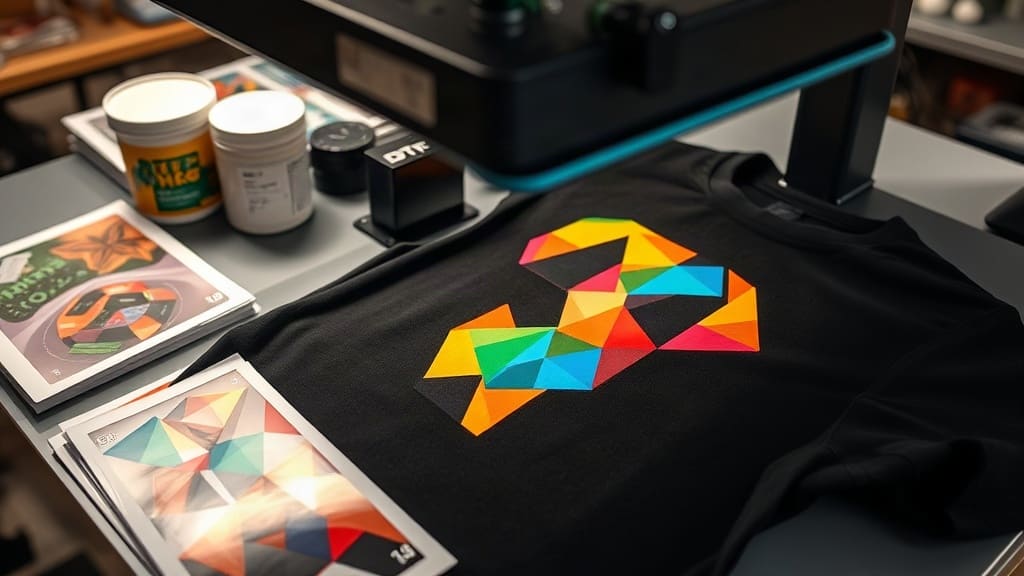
DTF transfers have revolutionized the custom apparel industry, offering a versatile and cost-effective way to bring your designs to life. Whether you're a seasoned professional or a hobbyist exploring new avenues, understanding the ins and outs of this technology can elevate your projects to new heights. In this comprehensive guide, we'll walk you through everything you need to know about DTF transfers, from the basic principles to advanced techniques, ensuring you achieve vibrant, durable, and professional results every time.
What Are DTF Transfers?
DTF stands for Direct to Film. Unlike traditional methods like screen printing or vinyl heat transfer, DTF involves printing your design onto a special film using a DTF printer. The printed film is then coated with an adhesive powder, which is melted and cured. This transfers the design onto the garment when heat and pressure are applied. The result is a soft, stretchable, and highly detailed print that works on a wide range of fabrics, including cotton, polyester, and blends.
Why Choose DTF Transfers?
There are several compelling reasons why DTF transfers are gaining popularity among apparel decorators:
- Versatility: DTF transfers adhere to almost any fabric type, unlike sublimation which is limited to polyester or light-colored garments. This opens up a world of possibilities for your designs.
- Complex Designs: The printing process allows for intricate details, gradients, and a broad spectrum of colors without the need for multiple screens or setups.
- Cost-Effective for Small Runs: Setting up a DTF system is more affordable than screen printing, making it ideal for small to medium production runs and custom orders.
- Soft Touch: The prints have a smooth texture and don't crack or fade easily, ensuring your creations remain vibrant wash after wash.
The DTF Transfer Process Explained
To achieve perfect DTF transfers, you need to follow a systematic process. Here’s a step-by-step breakdown:
1. Design Preparation
Start by creating or refining your design in a graphic software like Adobe Illustrator or Photoshop. Ensure your artwork is in high resolution (300 DPI) and in CMYK color mode for accurate printing. Don't forget to mirror your design, as it will be transferred in reverse.
2. Printing the Film
Load your DTF printer with the appropriate film, usually PET film. Print your design using specialized DTF inks. The printer should be calibrated to lay down the correct amount of ink for optimal color vibrancy.
3. Applying Adhesive Powder
While the ink is still wet, apply a fine layer of hot-melt adhesive powder over the printed areas. This can be done manually with a shaker or using an automated powder machine. Shake off the excess powder, ensuring only the printed areas retain the adhesive.
4. Curing the Powder
Place the printed film in a curing oven or use a heat press to melt the powder. The heat causes the adhesive to fuse with the ink, forming a durable bonding layer. The temperature and time depend on the powder type, but typically around 130-150°C for 2-3 minutes.
5. Transferring to Garment
Pre-press your garment for a few seconds to remove moisture and wrinkles. Place the film with the design facing down on the garment. Apply heat and pressure using a heat press at around 160-180°C for 15-20 seconds. Ensure even pressure to avoid cold spots.
6. Peeling
Peel the film away from the garment while it's still warm or after cooling, depending on the type of film (hot peel or cold peel). Your design should now be perfectly transferred.
Essential Equipment and Materials
To get started with DTF transfers, you'll need the following:
- DTF Printer: A printer that uses pigment-based inks and is compatible with DTF films. Many users convert standard inkjet printers, but dedicated DTF printers are recommended for reliability.
- DTF Film: PET film with a special coating to hold the ink and adhesive.
- DTF Inks: High-quality pigment inks that provide vibrant colors and durability.
- Adhesive Powder: Hot-melt adhesive powder, available in different particle sizes.
- Curing Oven or Heat Press: For curing the powder and transferring the design.
- Heat Press: Essential for applying the transfer onto garments.
Tips for Perfect DTF Transfers
Even with the right equipment, achieving flawless results requires attention to detail. Here are some pro tips:
- Use Quality Materials: The quality of your film, ink, and powder directly affects the final outcome. Invest in reputable suppliers to avoid issues like poor adhesion or fading.
- Calibrate Your Printer: Regularly check and adjust your printer's settings to ensure consistent color output and ink density. Print a test pattern to verify alignment.
- Control Powder Application: Too much powder can make the transfer look bulky, while too little can cause poor adhesion. Aim for a thin, even layer.
- Test on Scrap Fabric: Before running a full batch, test your transfer on a similar fabric to fine-tune time and temperature settings.
- Proper Storage: Store your films and powders in a cool, dry place to prevent moisture absorption, which can affect performance.
Common Mistakes to Avoid
Many beginners make these avoidable errors:
- Not Mirroring the Design: Forgetting to flip your image horizontally results in backward text and graphics.
- Wrong Temperature or Time: Incorrect settings can lead to incomplete powder melting or scorching the film. Always follow manufacturer guidelines.
- Ignoring Fabric Type: While DTF works on many fabrics, you may need to adjust the temperature and pressure for delicate materials like nylon or silk.
- Skipping Pre-Press: Moisture and wrinkles on the garment can cause uneven adhesion. Always pre-press your garments.
DTF Transfers vs. Other Methods
It's helpful to compare DTF with other popular techniques to understand its advantages:
- Screen Printing: Screen printing is ideal for large runs of simple designs, but DTF is more flexible for small batches and full-color prints.
- Sublimation: Sublimation bonds at the molecular level but only works on polyester and requires light backgrounds. DTF works on dark shirts and various fabrics.
- Vinyl Heat Transfer: Vinyl is great for simple, solid-color designs but lacks the detail and color range of DTF.
Applications of DTF Transfers
DTF transfers are incredibly versatile, making them suitable for:
- Custom Apparel: T-shirts, hoodies, and athletic wear for sports teams, events, and businesses.
- Promotional Products: Branded tote bags, caps, and other merchandise.
- Personal Projects: Create unique gifts or personalized clothing for friends and family.
- Small Business Startups: DTF allows you to offer custom printing services without a massive upfront investment.
Maintaining Your Equipment
To ensure longevity and consistent results, proper maintenance is key:
- Clean Your Printer: Regularly purge and clean the printhead to prevent clogging, using the manufacturer's recommended cleaning solutions.
- Check Film Roll: Ensure the film is loaded correctly and free from dust or debris.
- Calibrate Heat Press: Periodically check the temperature accuracy with a heat probe to avoid under- or over-curing.
- Store Supplies Properly: Keep inks sealed and away from direct sunlight, and store powder in airtight containers.
Frequently Asked Questions
What is the best fabric for DTF transfers?
DTF transfers work exceptionally well on cotton and cotton blends, but they also perform admirably on polyester, nylon, and even leather. The key is to use the appropriate heat setting for each fabric type, ensuring the adhesive bonds without damaging the material.
How long do DTF transfers last?
With proper application and care, DTF transfers are highly durable. They can withstand numerous washes without cracking or fading, often outlasting the garment itself. To maximize longevity, wash inside out in cold water and avoid tumble drying on high heat.
Can I use DTF transfers on dark-colored shirts?
Absolutely. One of the biggest advantages of DTF is its ability to print white ink as an underbase, allowing vibrant colors to pop on dark fabrics. This is a significant advantage over sublimation, which requires light-colored garments.
Do I need a special printer for DTF transfers?
Yes, you need a printer that is compatible with DTF inks and films. Many users convert standard inkjet printers by using DTF ink and appropriate software, but dedicated DTF printers offer more reliability and often come with features like integrated powder curing. It's important to use a printer with a piezoelectric printhead, as thermal printheads may not handle pigment inks well.
What is the difference between hot peel and cold peel DTF films?
Hot peel films allow you to remove the transfer sheet immediately after pressing, while still hot. This speeds up production. Cold peel films require you to wait for the transfer to cool before peeling, which can enhance edge sharpness. The choice depends on your workflow and the complexity of your designs.
Conclusion
DTF transfers are a game-changer for anyone looking to create custom apparel with professional results. By understanding the process, investing in quality materials, and following best practices, you can produce stunning, durable prints that meet your customers' expectations. Whether you're starting a business or simply enjoying a hobby, mastering DTF technology opens up endless creative possibilities. Embrace the learning curve, experiment with different designs, and soon you'll be producing amazing apparel that stands out from the crowd.