
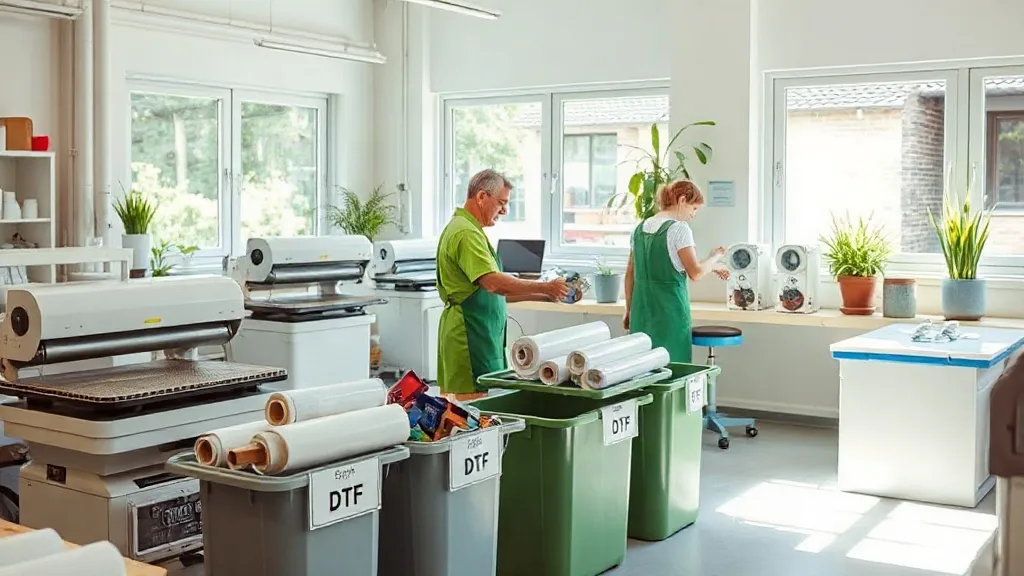
Running a DTF printing shop means juggling quality, speed, and cost. But there's another factor that's becoming impossible to ignore: environmental impact. Customers increasingly ask about sustainable practices, and local regulations are tightening. The good news? Going green doesn't have to mean sacrificing print quality or breaking the bank. In fact, many eco-friendly choices can save you money in the long run. This guide walks you through practical steps to make your dtf transfers operation more sustainable, from the inks you choose to how you handle waste.
Why Sustainability Matters for DTF Shops
The printing industry has a reputation for being resource-intensive. DTF is no exception: it uses plastic-based films, petroleum-derived powders, and significant energy for pressing and curing. But the tide is turning. Consumers are voting with their wallets, favoring businesses that demonstrate environmental responsibility. Beyond customer perception, many regions offer tax incentives or grants for businesses that adopt greener practices. And let's not forget the long-term cost savings from reduced waste and energy efficiency.
Choosing Eco-Friendly Inks
Not all DTF inks are created equal. Traditional DTF inks contain volatile organic compounds (VOCs) that contribute to air pollution and can be harmful to your health. Water-based DTF inks have come a long way in recent years. They offer comparable color vibrancy and durability while significantly reducing VOC emissions. When sourcing inks, look for products that are certified low-VOC or water-based. Keep in mind that water-based inks may require slightly different print settings, so test them on your equipment before committing to a full switch.
Reducing Film Waste
Film is one of the biggest contributors to waste in a DTF shop. Every misprint, every off-cut, every test print adds up. Here are a few ways to minimize film waste:
- Nest your designs: Use RIP software to arrange multiple jobs on a single sheet, maximizing film usage.
- Reuse test prints: Instead of tossing test prints, use them for small jobs or as practice material for new employees.
- Choose the right film width: Stocking multiple film widths may seem convenient, but it often leads to more waste. Standardize on a width that fits the majority of your jobs and order custom cuts for outliers.
- Recycle film scraps: Some suppliers now offer recycling programs for DTF film. If yours doesn't, consider partnering with a local recycling facility that accepts plastic films.
Smart Powder Usage
Adhesive powder is another area where small changes can make a big difference. Over-powdering is a common mistake that not only wastes product but also creates excess dust and mess. Invest in a powder shaker with a fine mesh to apply a thin, even layer. And don't forget to cure properly: under-cured powder leads to poor wash durability, which means reprints and unhappy customers.
When it comes to disposal, used powder should be handled according to local regulations. Some powders are biodegradable, so check with your supplier. If you're using a standard TPU powder, consider switching to a bio-based alternative. These are made from renewable resources and break down more readily in landfill conditions.
Energy Efficiency in the Press Room
Heat presses and curing ovens are energy hogs. But you can reduce consumption without sacrificing productivity. Start by scheduling pressing jobs in batches to minimize heat-up and cool-down cycles. Keep your equipment well-maintained: clean heating elements transfer heat more efficiently. If you're in the market for a new press, look for models with energy-saving features like automatic sleep modes and insulated plates.
Another often-overlooked tip: keep your workspace at a stable temperature. Fluctuations force your press to work harder to maintain set temperatures. Proper insulation and draft control can make a noticeable difference in your energy bill.
Waste Management and Recycling
Every DTF shop generates waste: empty ink cartridges, film cores, powder containers, and more. Set up a sorting system with clearly labeled bins for different waste streams. Many ink suppliers offer take-back programs for empty cartridges. Film cores can often be recycled with other cardboard. And don't forget about the garments themselves: misprints or rejected shirts can be donated to local charities or upcycled into new products.
Educating Your Team and Customers
Sustainability is a team effort. Train your staff on waste reduction practices and explain why they matter. Encourage them to suggest improvements. When customers ask about your environmental efforts, be transparent. Share your successes and challenges. People appreciate honesty, and it builds trust. You might even find that your eco-friendly practices become a selling point that sets you apart from competitors.
Finding Local, Sustainable Suppliers
If you're searching for dtf transfers near me, consider the environmental impact of shipping. Sourcing locally reduces carbon emissions and supports your community. Look for suppliers that prioritize sustainability in their own operations, such as using recycled packaging or offering eco-friendly products. Building relationships with like-minded suppliers can also lead to bulk discounts and exclusive green options.
Frequently Asked Questions
Are water-based DTF inks as durable as traditional inks?
Yes, modern water-based DTF inks have been formulated to match the durability of traditional inks. They can withstand repeated washing and stretching when applied correctly. However, they may require slightly different curing parameters, so always follow the manufacturer's guidelines.
How can I reduce film waste without slowing down production?
Invest in RIP software that automatically nests designs and calculates the most efficient layout. Also, standardize film widths and train staff to load film correctly to avoid misprints. Small adjustments in workflow can lead to significant waste reduction over time.
Is DTF printing more environmentally friendly than screen printing?
DTF can be more sustainable for short runs because it eliminates the need for screens and the associated chemicals. However, screen printing may be more efficient for large orders. The key is to choose the right method for the job and implement eco-friendly practices in either case.
What should I do with leftover powder?
Leftover powder should be stored in a sealed container to prevent moisture absorption. If you have excess that you can't use, check with your local waste management facility for proper disposal. Some suppliers offer recycling programs for powder.
Can I recycle DTF film scraps?
Yes, many plastic recycling facilities accept DTF film scraps. However, availability varies by location. Contact your local recycling center to confirm. Some DTF suppliers also have take-back programs for film waste.