
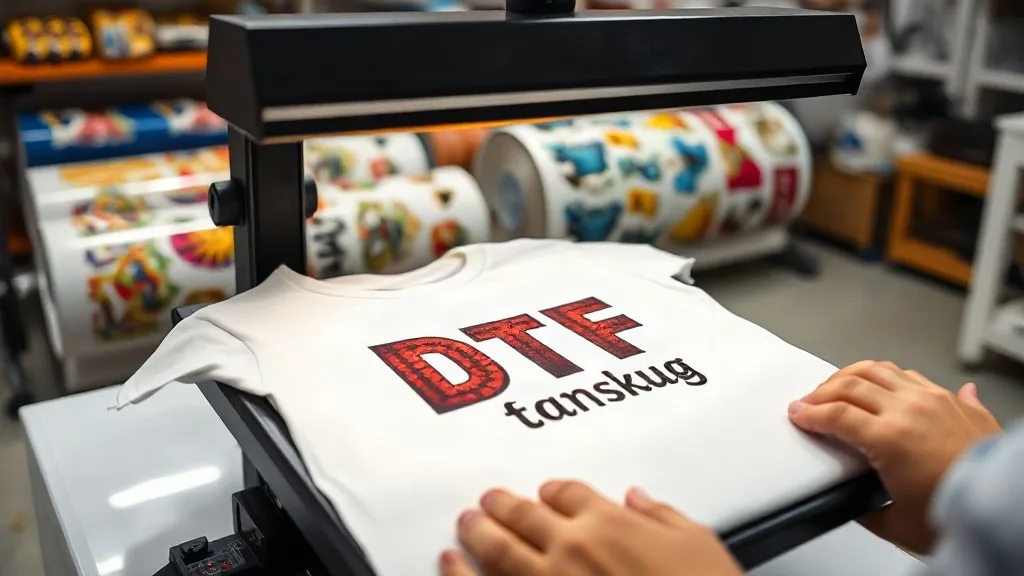
Imagine being able to print vibrant, full-color designs on almost any fabric without the hassle of weeding or complex setup. That's exactly what dtf transfers offer. Whether you're a small business owner looking to expand your product line or a DIY enthusiast wanting to create custom apparel, DTF (Direct to Film) printing has quickly become a game-changer in the garment decoration industry. With its ability to produce intricate details and bold colors on a wide range of materials, it's no wonder that DTF is gaining popularity among professionals and hobbyists alike.
In this guide, we'll dive deep into the world of DTF transfers. We'll explain how the process works, why it stands out from other printing methods, and how you can get started with your own DTF printing projects. Plus, we'll share tips on finding high-quality dtf transfers near me so you can avoid common pitfalls and achieve professional results every time.
What Are DTF Transfers?
DTF transfers are a type of heat transfer that allows you to print designs onto a special film, which is then applied to fabric using a heat press. Unlike other methods like screen printing or vinyl cutting, DTF doesn't require any pre-treatment of the fabric or specialized equipment beyond a printer and a heat press. The process involves printing your design onto a PET film using specialized DTF inks, dusting it with a hot-melt adhesive powder, and then curing it. Once the transfer is ready, you simply place it on your garment and press it with heat to bond the design permanently.
How Does the DTF Printing Process Work?
Understanding the DTF process can help you appreciate why it's so versatile and efficient. Here's a step-by-step breakdown:
- Design Preparation: Your design is digitally prepared and mirrored before printing. This ensures that when transferred, the text or image appears correctly.
- Printing: A DTF printer uses CMYK and white inks to print the design onto a PET film. The white ink acts as a base, allowing the design to show up vividly on both light and dark fabrics.
- Powder Application: While the ink is still wet, a hot-melt adhesive powder is applied evenly over the design. This powder will melt during the heat press stage, bonding the ink to the fabric.
- Curing: The film is then heated to melt the powder, creating a smooth, dry surface. This step is crucial for durability.
- Heat Pressing: The transfer is placed on the fabric and pressed with a heat press at a specific temperature and pressure for a set time. After cooling, the film is peeled away, leaving the design behind.
This process might sound complex, but once you have the right equipment and materials, it becomes second nature. The beauty of DTF is that it allows for full-color, high-detail prints without the need for color separation or multiple screens.
Why Choose DTF Transfers Over Other Printing Methods?
There are several reasons why DTF transfers have become a preferred choice for many in the custom apparel industry. Let's explore the key advantages:
1. Versatility Across Fabrics
DTF transfers work on a wide range of materials, including cotton, polyester, blends, and even some synthetics. This is a significant advantage over other methods like vinyl cutting, which may not adhere well to certain fabrics, or screen printing, which can be challenging on dark or textured materials.
2. No Weeding or Masking Required
Unlike vinyl transfers, DTF doesn't require you to weed out tiny details or apply masking tape. This saves a tremendous amount of time and reduces the risk of errors, especially for intricate designs with fine lines or small text.
3. Vibrant and Durable Prints
DTF transfers produce bright, opaque colors that stand out on any fabric color. The prints are also highly durable, withstanding multiple washes without fading or cracking. This makes them ideal for items that will see regular use, such as t-shirts, hoodies, and tote bags.
4. Cost-Effective for Small Runs
For small batches or one-off custom items, DTF is more economical than screen printing, which requires setup costs for each color. With DTF, you can print a single design without any minimum order quantity, making it perfect for personalized gifts or small business inventory.
5. Eco-Friendly Option
DTF printing generates less waste compared to other methods. The film and powder are used efficiently, and there are no harsh chemicals involved in the process. Additionally, the ability to print on demand reduces overproduction.
Applications of DTF Transfers
The versatility of DTF transfers means they can be used for a multitude of applications. Here are some popular uses:
- Custom T-Shirts and Apparel: Create personalized t-shirts, hoodies, and sweatshirts with vibrant designs.
- Sportswear and Team Uniforms: Add names and numbers to jerseys and sports gear with precision.
- Promotional Items: Brand tote bags, caps, and other merchandise for events and marketing.
- Home Decor: Personalize pillowcases, curtains, and upholstery with custom patterns.
- Accessories: Decorate backpacks, aprons, and more with logos or artwork.
Whether you're working on a large order or a single piece, DTF transfers deliver consistent results.
How to Find Quality DTF Transfers Near You
If you're looking to incorporate DTF transfers into your workflow, finding a reliable supplier is key. Here are some tips to help you locate quality dtf transfers near me:
1. Research Local Print Shops
Many local print shops now offer DTF printing services. Visit them in person to see samples and discuss your needs. A good shop will be happy to show you examples of their work and explain their process.
2. Check Online Reviews and Portfolios
Look for reviews and portfolios online. Websites like Google Reviews, Yelp, and social media can provide insights into the quality and reliability of a supplier. Pay attention to comments about color accuracy, durability, and customer service.
3. Ask for Samples
Before committing to a large order, request samples. Test the transfers on your intended fabric to ensure they meet your standards for vibrancy, feel, and washability. A reputable supplier will be glad to provide samples.
4. Consider Online Suppliers
If local options are limited, many online suppliers offer DTF transfer services. Look for ones with clear guidelines, good reviews, and fast turnaround times. Ensure they use high-quality inks and films to guarantee excellent results.
5. Evaluate Turnaround Time and Pricing
Compare pricing and turnaround times among suppliers. While cost is important, don't compromise on quality. A slightly higher price for superior transfers can save you money in the long run by reducing returns and reprints.
Tips for Successful DTF Printing
To get the best results from your DTF transfers, keep these tips in mind:
- Use the Right Heat Press Settings: Follow the supplier's recommendations for temperature, pressure, and time. Typically, you'll press at 325°F (160°C) for 10-15 seconds.
- Pre-Press the Fabric: Before applying the transfer, press the garment for a few seconds to remove moisture and wrinkles. This ensures better adhesion.
- Peel Cool: Always wait for the transfer to cool completely before peeling the film. Peeling while hot can cause the design to stretch or distort.
- Store Transfers Properly: Keep unused transfers in a cool, dry place away from direct sunlight to prevent the adhesive from degrading.
- Wash Inside Out: To prolong the life of your DTF-printed garments, wash them inside out in cold water and tumble dry on low.
Frequently Asked Questions About DTF Transfers
How long do DTF transfers last?
With proper care, DTF transfers can last as long as the garment itself. They are durable and resist fading, cracking, and peeling even after multiple washes.
Can I use DTF transfers on dark fabrics?
Absolutely! DTF transfers include a white ink layer that makes colors pop on dark fabrics. This is one of the key advantages over other methods.
Do I need special equipment for DTF printing?
You'll need a DTF printer, DTF ink, PET film, hot-melt powder, and a heat press. While the initial investment may seem high, it pays off if you plan to do frequent printing.
What is the difference between DTF and DTG printing?
DTG (Direct to Garment) printing directly applies ink to the fabric, while DTF involves printing on a film and then transferring. DTF works on more fabric types and often produces more vibrant results on dark colors.
Can I order DTF transfers online and apply them myself?
Yes, many suppliers offer custom DTF transfers that you can order online and apply at home with a heat press. Just ensure you follow the application instructions carefully.
DTF transfers are revolutionizing the custom apparel industry with their versatility, durability, and ease of use. Whether you're a business owner or a DIY enthusiast, incorporating DTF into your projects can open up a world of creative possibilities. So why wait? Explore the world of dtf transfers today and see the difference for yourself.