
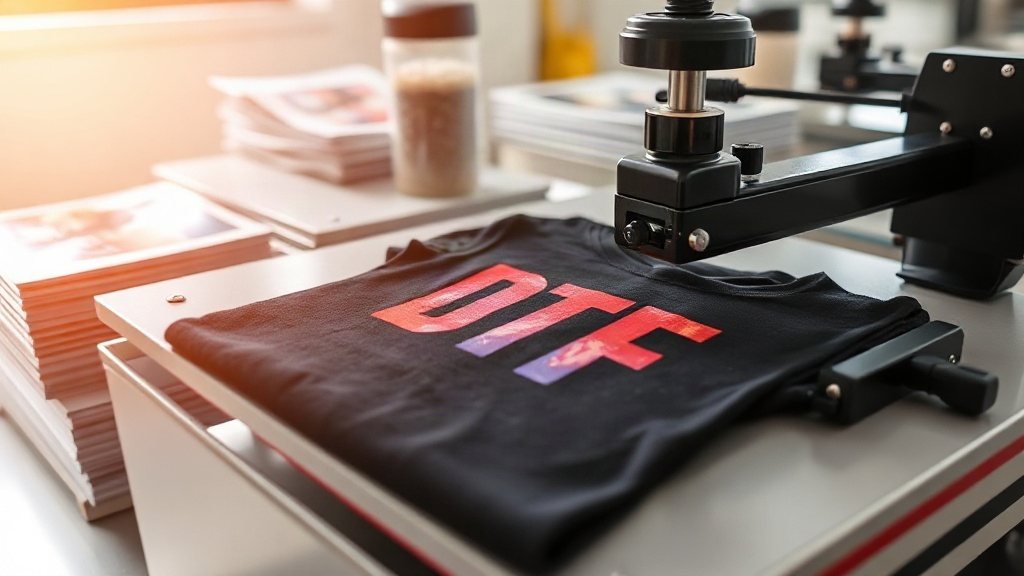
If you've been exploring custom apparel printing, you've likely encountered DTF printing. It stands for Direct to Film, a method that transfers digital designs onto fabric using a special film and adhesive powder. Unlike older techniques that require weeding or specialized equipment, DTF offers a simpler, more versatile way to produce vibrant, long-lasting prints on almost any fabric. Whether you're a small business owner, a craft enthusiast, or just curious about the latest printing technology, understanding DTF can open up new creative possibilities.
What Exactly Is DTF Printing?
DTF printing is a digital printing process where your design is printed onto a PET film using specialized inks, then coated with a hot-melt adhesive powder. The film is then cured, and when you're ready, you heat press it onto your garment. The adhesive melts and bonds the ink to the fabric, creating a durable, stretchable print. This differs from DTG (Direct to Garment) printing, which prints directly onto the fabric, and from vinyl cutting, which requires weeding. DTF eliminates many of the limitations of those methods, such as fabric color restrictions or the need for pre-treatment.
Why DTF Printing Stands Out
The rise of DTF in the custom apparel world isn't just hype. It solves several pain points that have frustrated printers for years.
Works on Almost Any Fabric
Cotton, polyester, blends, even nylon and leather—DTF transfers adhere well to a wide range of materials. This is a game-changer for those who want to print on dark or colored garments without worrying about the design getting lost. Unlike DTG, which often requires a white underbase and pre-treatment for dark shirts, DTF prints include a white layer automatically, so your colors pop on any background.
No Weeding or Cutting Required
If you've ever spent hours weeding vinyl, you'll appreciate that DTF films come ready to press after curing. The design is printed and powdered, so you simply cut the film to size (or use a cutter for intricate shapes) and press. This saves time and reduces waste, especially for complex, multi-color designs.
Durable and Stretchable
Because the adhesive bonds with the fabric fibers, DTF prints resist cracking, peeling, and fading. They also stretch with the garment, making them ideal for performance wear and athletic jerseys. When applied correctly, a DTF print can outlast the garment itself.
Cost-Effective for Short Runs
Traditional screen printing requires setup costs per color, making short runs expensive. DTF has no setup fees and no minimum order. You can print one shirt or one hundred with the same cost per unit. This makes it perfect for small businesses, personalized gifts, and on-demand production.
The DTF Printing Process Step by Step
Understanding the workflow helps you troubleshoot and improve your results. Here's what happens from digital file to finished garment.
1. Design Preparation
Start with a high-resolution image. DTF printers typically use CMYK plus white ink, so your design should be in a compatible format (often PDF or PNG). Ensure your background is transparent if you want it to be. The printer software will handle color separation and white layer generation.
2. Printing onto Film
The printer lays down a layer of white ink, followed by the color inks. The white ink acts as a base, allowing the colors to show up vividly on dark fabrics. The film is then passed through a powder shaker that applies hot-melt adhesive powder evenly. Excess powder is removed, and the film goes into a curing oven or under a heat source to melt the powder into a gel-like state.
3. Curing the Transfer
Curing is critical. If the powder isn't fully melted, the transfer won't adhere properly. Most DTF powders cure between 160°C and 180°C (320°F to 356°F) for a few minutes. Follow your powder and film manufacturer's recommendations. Overcuring can make the film brittle, while undercuring leads to poor wash durability.
4. Heat Pressing
Once cured, the transfer is ready. Preheat your heat press to around 160°C (320°F) with medium pressure. Place the transfer on the garment, cover with a protective sheet, and press for 10-15 seconds. Then, peel the film while it's still hot (hot peel) or after it cools (cold peel), depending on the film type. Finally, press again for a few seconds with a protective sheet to ensure the adhesive fully bonds.
Common Challenges and How to Overcome Them
Even though DTF is user-friendly, beginners often face a few hurdles. Here are solutions to the most frequent issues.
Colors Look Dull or Washed Out
This usually happens when the white ink layer is too thin or the curing temperature is off. Increase the white ink density in your printer settings and verify your curing parameters. Also, ensure you're using quality DTF inks and film; cheap alternatives can compromise color vibrancy.
Print Peels Off After Washing
Insufficient pressure during heat pressing or incomplete curing are common culprits. Increase pressure and double-check that the powder is fully melted. Also, wash the garment inside out in cold water and avoid fabric softeners, which can degrade the adhesive over time. For best results, wait 24 hours after pressing before washing.
Film Feels Stiff
A stiff print often means too much powder or overcuring. Use a fine powder and ensure you shake off excess thoroughly. Adjust curing time and temperature to the lower end of the recommended range. A properly cured DTF transfer should be flexible and soft to the touch.
DTF vs. Other Printing Methods
How does DTF stack up against DTG, screen printing, and vinyl? Each has its place, but DTF shines in specific scenarios.
- DTF vs. DTG: DTG is great for 100% cotton and photographic designs, but requires pre-treatment and can be inconsistent on blends. DTF works on more fabrics and often has lower startup costs.
- DTF vs. Screen Printing: Screen printing is cost-effective for large orders of simple designs, but DTF wins for complex, multi-color, short-run jobs.
- DTF vs. Vinyl: Vinyl requires weeding and layering, which is time-consuming. DTF handles full-color designs in one press, with better durability on stretchy fabrics.
Getting Started with DTF: What You Need
Ready to dive in? Here's a basic checklist of equipment and supplies.
- A DTF printer (or access to a service that prints DTF transfers)
- DTF film (PET film designed for DTF)
- DTF inks (CMYK and white)
- Hot-melt adhesive powder
- Powder shaker (manual or automatic)
- Curing oven or heat gun
- Heat press
- Protective sheets (Teflon or parchment)
If you're not ready to invest in a printer, many companies offer DTF transfer printing services where you send your design and receive ready-to-press transfers. This is a great way to test the waters before committing to equipment.
Tips for Professional Results
To consistently achieve great DTF prints, keep these best practices in mind.
- Always test your settings on a scrap garment before a full production run.
- Store unused film in a cool, dry place to prevent moisture absorption.
- Keep your printer clean and perform regular maintenance to avoid clogged nozzles.
- Use a heat press with accurate temperature and pressure controls; a cheap press can ruin results.
- Experiment with different powders and films to find what works best for your fabric types.
Frequently Asked Questions About DTF Printing
What fabrics can I use with DTF printing?
DTF transfers work on cotton, polyester, cotton-poly blends, nylon, leather, and even some treated woods. The key is that the fabric can withstand the heat press temperature (usually around 160°C/320°F). Always test on a small area first.
How long does a DTF print last?
With proper application and care, a DTF print can last as long as the garment. It resists cracking, peeling, and fading through dozens of washes. Following wash instructions (inside out, cold water, no bleach) will maximize longevity.
Do I need a special printer for DTF?
Yes, DTF requires a printer designed for DTF inks, which typically includes a white ink channel and a powder application system. However, you can also order pre-printed transfers from service providers if you don't want to buy a printer.
Can I use DTF on dark shirts?
Absolutely. DTF excels on dark fabrics because the white ink layer provides a bright base for colors. You don't need to pre-treat the shirt, unlike DTG.
Is DTF printing safe for children's clothing?
When using quality, CPSIA-compliant inks and powders, DTF prints are safe for children's apparel. Always source materials from reputable suppliers and follow safety guidelines.
DTF printing is more than a trend; it's a practical solution for anyone looking to create custom apparel with vibrant, durable designs. Whether you're a hobbyist or a business owner, mastering DTF can elevate your offerings and streamline your production. With the right knowledge and a bit of practice, you'll be producing professional-quality transfers in no time.