
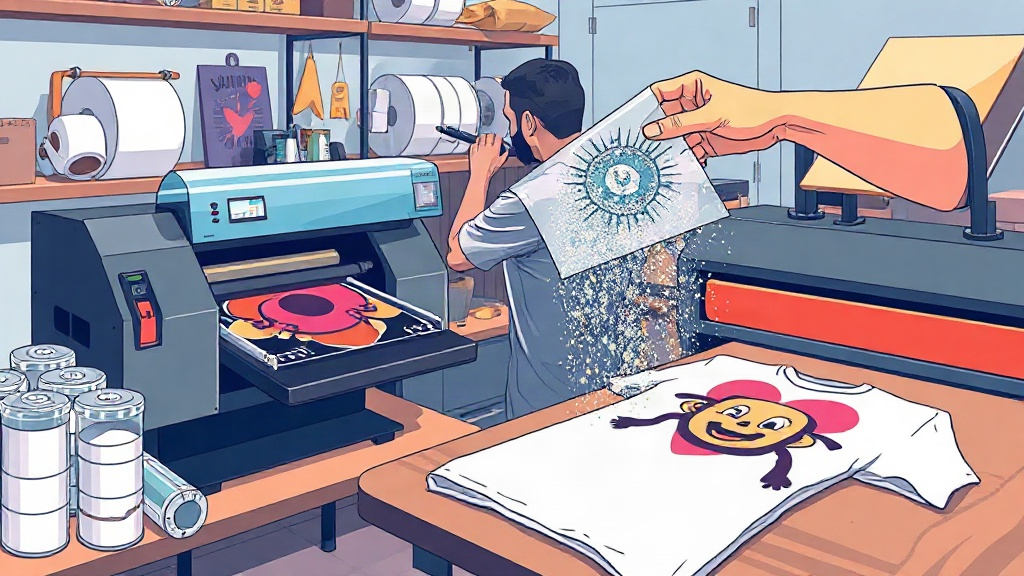
Imagine pressing a button and watching a vibrant, full-color design transfer onto a cotton t-shirt in minutes. That's the magic of DTF printing, a technology that's quickly becoming the go-to method for custom apparel. Whether you're a small business owner, a hobbyist, or just curious about the latest in garment decoration, understanding DTF printing can open up a world of creative possibilities. In this guide, we'll walk you through the essentials: what DTF is, how it works, and how you can use it to bring your designs to life.
What is DTF Printing?
DTF stands for Direct to Film. It's a printing method where your design is printed onto a special film, coated with a adhesive powder, and then heat-pressed onto fabric. Unlike DTG (Direct to Garment) or screen printing, DTF doesn't require pre-treatment of the fabric, and it works on a wide range of materials, including cotton, polyester, blends, and even nylon. The result is a durable, stretchable print with incredible detail and color vibrancy.
How Does DTF Printing Work?
The DTF process involves several steps, but it's surprisingly straightforward once you get the hang of it. Here's a breakdown:
- Design Preparation: Create your artwork in a graphics program. Remember to mirror the image horizontally, as it will be transferred face-down.
- Printing: Using a DTF printer, your design is printed onto a PET film with special DTF inks. These printers are typically modified inkjet printers that use pigment-based inks.
- Powdering: While the ink is still wet, a hot-melt adhesive powder is applied evenly over the design. The excess powder is shaken off.
- Curing: The film goes through a curing oven or heat press to melt the powder, creating a dry, flexible layer that will bond to the fabric.
- Transfer: The cured film is placed on the garment and heat-pressed. The adhesive melts, sticking the design to the fabric. After cooling, the film is peeled away, leaving the design behind.
Each step requires attention to detail, but the learning curve is gentle. Many beginners produce sellable prints within a day.
Why Choose DTF Printing?
DTF printing offers several advantages that make it a favorite among apparel decorators:
- Versatility: It adheres to almost any fabric, including cotton, polyester, blends, and even leather. No need for different inks or pre-treatment.
- Vibrant Colors: DTF inks produce bright, opaque colors, even on dark garments. You can print white ink without an underbase, which is a huge plus.
- Durability: The prints are stretchable and resist cracking, peeling, and fading. With proper care, they outlast the garment.
- Cost-Effective for Short Runs: Unlike screen printing, DTF doesn't require setup costs per color. It's ideal for small batches and one-offs.
- Detail and Gradients: DTF excels at photographic images and fine details, making it perfect for complex designs.
These benefits explain why DTF has exploded in popularity among small businesses and DIY enthusiasts.
Getting Started with DTF Printing
Ready to dive in? Here's what you'll need:
Essential Equipment
- DTF Printer: Options range from converted Epson printers to dedicated DTF machines. Expect to invest $1,500 to $5,000 for a starter setup.
- DTF Inks: Specially formulated pigment inks that work with the printer.
- PET Film: Available in rolls or sheets. Choose a film thickness suitable for your printer.
- Adhesive Powder: Hot-melt powder that bonds the ink to fabric. There are different types for various fabrics.
- Curing Oven or Heat Press: To cure the powder, you can use a dedicated oven or a heat press.
- Heat Press: For transferring the design onto garments. A good quality press ensures even pressure and temperature.
Step-by-Step Process
- Create Your Design: Use software like Photoshop or Illustrator. Ensure it's mirrored and sized correctly. Save as a high-resolution file.
- Print on Film: Load the PET film into your printer and print. The ink will be wet.
- Apply Powder: Sprinkle the adhesive powder over the wet ink. Tilt the film to shake off excess. You want an even coat.
- Cure the Powder: Place the film in a curing oven at around 320°F (160°C) for 2-3 minutes, or use a heat press with light pressure for 30-40 seconds. The powder should melt and become shiny.
- Heat Press the Design: Preheat your garment to remove moisture. Place the cured film on the garment, design side down. Press at 320°F (160°C) for 15-20 seconds with medium pressure.
- Peel and Enjoy: Wait a few seconds for it to cool, then peel off the film. Your design is now permanently bonded!
Practice on scrap fabric to perfect your temperature, pressure, and timing. Each printer and powder may behave slightly differently.
Common DTF Printing Challenges and Solutions
Even with a good setup, you might encounter issues. Here are some common problems and how to fix them:
- Faded or Dull Prints: Usually caused by insufficient powder or under-curing. Ensure even powder application and check your oven temperature.
- Cracking or Peeling: Often due to too much pressure or not enough heat during transfer. Adjust your heat press settings.
- Ink Smudging: If the ink smears during powdering, you may be applying too much powder or not shaking off enough. Also, ensure the film is flat and the ink is not too wet.
- Adhesive Residue on Film: If the film doesn't peel cleanly, you might be pressing too long or at too high a temperature. Reduce time or temperature slightly.
With a bit of troubleshooting, you'll find the sweet spot for your equipment.
DTF vs. Other Printing Methods
How does DTF stack up against DTG, screen printing, and vinyl?
- DTG: Best for 100% cotton, but requires pre-treatment and can be less vibrant on dark shirts. DTF works on more fabrics and doesn't need pre-treatment.
- Screen Printing: Cost-effective for large runs, but setup costs are high and it's not practical for small batches or complex designs. DTF shines for short runs and detailed art.
- Vinyl: Good for simple text and shapes, but limited in color and detail. DTF allows full-color, photographic prints.
For many, DTF offers the best balance of quality, versatility, and cost for small to medium orders.
Tips for Success with DTF Printing
- Invest in Quality Supplies: Cheap inks or powder can lead to poor results. Stick with reputable brands.
- Maintain Your Printer: Regular cleaning and maintenance prevent clogs and ensure consistent prints.
- Test, Test, Test: Every fabric behaves differently. Always do a test press before a big order.
- Store Films Properly: Keep unused film in a cool, dry place to prevent curling or moisture absorption.
- Follow Safety Guidelines: Use gloves and a mask when handling powder, and ensure good ventilation.
Frequently Asked Questions
What fabrics can I use with DTF printing?
DTF works on a wide range of fabrics, including cotton, polyester, blends, nylon, and even leather. It's one of the most versatile printing methods available.
Do I need to pre-treat the fabric for DTF?
No, pre-treatment is not required. This is a major advantage over DTG printing, saving you time and effort.
How durable is a DTF print?
DTF prints are highly durable. They resist cracking, peeling, and fading, and can stretch with the fabric without breaking. With proper care, they can last the lifetime of the garment.
Can I use DTF on dark shirts?
Absolutely. DTF prints are opaque and vibrant on both light and dark fabrics. The white ink layer ensures colors pop on dark backgrounds.
What is the cost of starting DTF printing?
Initial costs vary. A basic setup (printer, ink, film, powder, heat press) can range from $1,500 to $5,000. However, the low cost per print makes it economical for small businesses.
Final Thoughts
DTF printing is a game-changer for custom apparel. Its versatility, vibrant results, and ease of use make it accessible to beginners and profitable for businesses. By following the steps and tips in this guide, you'll be well on your way to creating stunning DTF prints. Remember, practice makes perfect, so don't be afraid to experiment. Happy printing!