
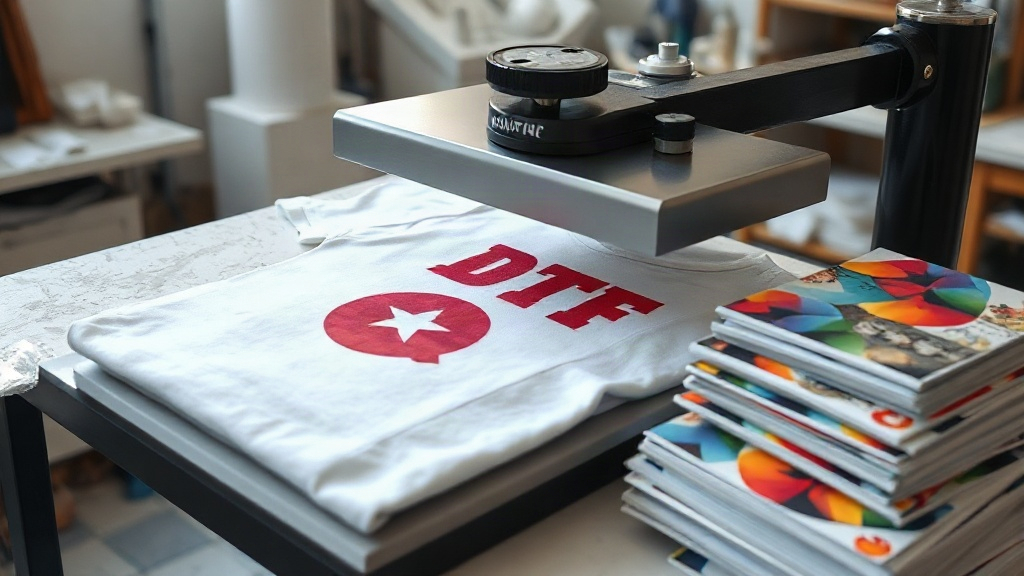
When I first started offering DTF printing services, I assumed any fabric would work. A few unhappy customers later, I learned that fabric choice makes or breaks the final product. DTF (Direct to Film) printing has exploded in popularity because it works on a wide range of materials, but that doesn't mean every fabric is a good match. In this guide, I'll share what I've learned about selecting fabrics and ensuring your DTF prints stand the test of time.
Understanding How DTF Printing Works
DTF printing involves printing a design onto a special film, coating it with adhesive powder, and then heat-pressing it onto the fabric. The adhesive melts and bonds with the fibers, creating a durable print. Unlike DTG (Direct to Garment), DTF doesn't require pre-treatment, and it can be applied to many fabric types, including cotton, polyester, blends, and even some synthetics. This versatility is why it's become a go-to method for small shops and large operations alike.
Best Fabrics for DTF Printing
Not all fabrics are created equal when it comes to DTF. Here's a breakdown of what works best based on my experience and industry feedback.
100% Cotton
Cotton is a natural fit for DTF. The adhesive bonds well with cotton fibers, resulting in a soft feel and excellent wash durability. I've printed on everything from basic tees to heavy canvas totes, and the results are consistently good. Just be aware that cotton can shrink, so pre-shrink your garments or account for slight size changes.
Polyester and Blends
Polyester and cotton-poly blends are also great for DTF. The print adheres well, and the colors pop, especially on white or light-colored polyester. However, on dark polyester, you might notice a slight dulling of colors because the adhesive layer can interact with the fabric dye. I recommend testing on a sample first. Also, polyester is prone to dye migration, so if you're printing on dark polyester, use a low-bleed film or a blocker layer.
Specialty Fabrics
I've successfully applied DTF to nylon, leather, and even some spandex blends. The key is to check the fabric's heat tolerance. Nylon, for example, can scorch at high temperatures, so lower your press temperature and increase dwell time. Leather requires a lower temperature and a protective sheet to avoid damaging the surface. Always do a test press on a scrap piece.
Fabrics to Avoid with DTF
While DTF is versatile, some fabrics are problematic. Here's what to avoid:
- Waterproof or coated fabrics: The adhesive can't penetrate the coating, leading to poor adhesion.
- Highly textured fabrics (e.g., corduroy, rib knit): The print may not fully contact the surface, causing premature peeling.
- Fabrics with a high silicone content: Silicone repels the adhesive, so prints won't stick.
- Delicate fabrics (e.g., silk, some synthetics): They may not withstand the heat of the press.
Ensuring Durability: Tips from the Trenches
Even with the right fabric, DTF prints can fail if you cut corners. Here's how to make them last.
Proper Heat Press Settings
Temperature, pressure, and time are critical. For most fabrics, I set my press to 325°F (160°C) for 15 seconds with medium pressure. But this varies: polyester needs lower temp (300°F) to avoid dye migration, while cotton can handle 350°F. Always follow the film manufacturer's recommendations, and adjust based on your fabric.
Adhesive Powder Application
The powder must be applied evenly and cured properly. I use a powder shaker for consistency, then shake off the excess. If the powder layer is too thick, the print feels rubbery; too thin, and it won't bond. After applying, I cure the powder with a heat gun until it gels (about 10-15 seconds), then press.
Washing and Care
Instruct your customers to wait 24 hours before washing, then turn the garment inside out and use cold water. Tumble dry low or hang dry. Avoid bleach and fabric softener, which can degrade the adhesive. With proper care, a DTF print can last 50+ washes.
Common Mistakes and How to Fix Them
I've made my share of errors, so you don't have to. Here are a few pitfalls and solutions.
- Print peeling after first wash: Usually due to insufficient pressure or time. Increase pressure and ensure the press is evenly applying heat.
- Colors looking dull: Could be incorrect powder or over-pressing. Try a different powder or lower the temperature.
- Adhesive residue on the film: This happens when the powder isn't fully cured. Cure it longer with a heat gun.
Frequently Asked Questions
Can DTF printing be used on 100% polyester?
Yes, DTF works well on polyester, but you need to be mindful of dye migration. Use a low-bleed film and keep the press temperature at or below 300°F to prevent the fabric dye from bleeding into the print.
How do I prevent DTF prints from cracking?
Cracking usually happens when the print is stretched too much or the adhesive layer is too thin. Ensure you apply enough powder and press with adequate pressure. Also, avoid over-stretching the garment when wearing or washing.
What is the best way to store DTF transfers?
Store them in a cool, dry place away from direct sunlight. I keep mine in a sealed bag or container to prevent dust and moisture from affecting the adhesive. Use them within a few months for best results.
Do I need a special printer for DTF?
You need a printer that uses DTF inks (usually pigment-based) and can print on film. Many converted Epson printers work well. The key is to use the correct ink and film combination, and to maintain the printer regularly to avoid clogs.
Mastering DTF printing is a journey, but with the right fabric choices and attention to detail, you can produce prints that impress and last. I hope these insights help you avoid the mistakes I made and elevate your craft.