
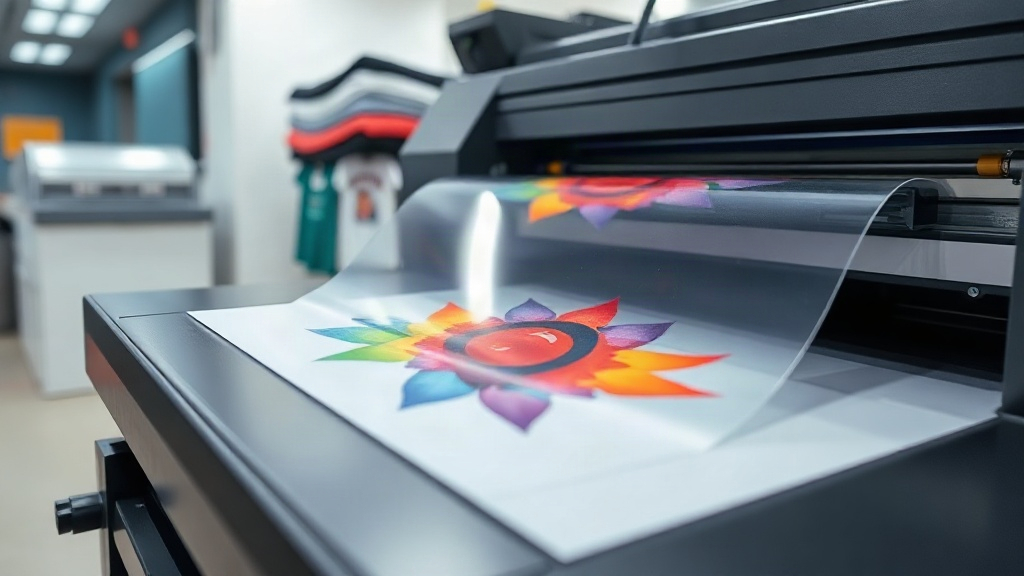
If you've been exploring custom apparel printing, you've likely encountered the term DTF. Short for Direct-to-Film, this technology has rapidly gained popularity among print shops and hobbyists alike. But what exactly makes DTF printing stand out? In this guide, we'll dive deep into the world of DTF, covering its process, benefits, and practical tips to help you achieve professional results.
What is DTF Printing?
DTF printing is a digital printing method where designs are printed onto a special film, coated with adhesive powder, and then heat-pressed onto fabric. Unlike DTG (Direct-to-Garment) or screen printing, DTF transfers can be applied to a wide range of materials, including cotton, polyester, blends, and even leather. The process involves printing a mirror image of the design onto a PET film using pigment-based inks, applying a thermoplastic powder to the wet ink, and curing it. The result is a flexible, stretchable transfer that bonds permanently to the fabric.
How Does DTF Printing Work?
Understanding the DTF workflow is essential for anyone looking to adopt this technology. Here's a step-by-step breakdown:
- Design Preparation: Create your artwork in a graphics program, ensuring it's mirrored (flipped horizontally).
- Printing: Load the PET film into a DTF printer. The printer lays down a layer of white ink (for opacity) followed by CMYK colors.
- Powder Application: While the ink is still wet, the film is sprinkled with hot-melt adhesive powder. The powder sticks to the ink.
- Curing: The film passes through a curing oven or heat press to melt the powder, creating a solid adhesive layer.
- Transfer: The film is placed onto the garment and heat-pressed. After cooling, the film is peeled away, leaving the design bonded to the fabric.
Benefits of DTF Printing
Why choose DTF over other printing methods? Here are some compelling advantages:
- Versatility: Works on virtually any fabric, including dark and light colors, without pre-treatment.
- Durability: The prints resist cracking, peeling, and fading even after multiple washes.
- Detail and Color: High-resolution prints with vibrant colors and fine details.
- Cost-Effective for Short Runs: No setup costs, making it ideal for small batches and personalized items.
- Stretchability: The transfers stretch with the fabric, perfect for activewear.
DTF vs. Other Printing Methods
How does DTF stack up against DTG, screen printing, and vinyl? Let's compare:
DTF vs. DTG
DTG prints directly onto the garment, often requiring pre-treatment for dark shirts. DTF uses a transfer, so it can handle dark colors without pretreatment. DTF also produces more durable prints on synthetic fabrics.
DTF vs. Screen Printing
Screen printing is cost-effective for large orders but requires separate screens per color. DTF excels for detailed, multi-color designs and short runs, with no per-color setup.
DTF vs. Vinyl
Heat transfer vinyl (HTV) is great for simple shapes and text but limited for complex designs. DTF allows full-color, photographic-quality images.
Applications of DTF Printing
DTF printing opens up a world of possibilities. Common applications include:
- Custom t-shirts, hoodies, and sweatshirts
- Sportswear and team uniforms
- Denim jackets and jeans
- Tote bags and accessories
- Promotional items
Tips for Successful DTF Printing
To get the best results with DTF, keep these tips in mind:
- Use high-quality PET film and inks specifically designed for DTF.
- Ensure proper powder application: too much powder can cause a rough feel; too little reduces adhesion.
- Cure the powder thoroughly; under-curing leads to wash-off.
- Adjust heat press settings (temperature, pressure, time) according to fabric type.
- Always test on a scrap piece before pressing the final garment.
Frequently Asked Questions
What fabrics can I use with DTF printing?
DTF transfers work on cotton, polyester, blends, leather, and more. They adhere well to both natural and synthetic fibers.
How long do DTF prints last?
With proper application and care, DTF prints can last as long as the garment itself, often 50+ washes without significant fading.
Do I need special equipment for DTF printing?
Yes, you'll need a DTF printer, PET film, adhesive powder, and a heat press. Some setups also include a curing oven.
Is DTF printing cost-effective for small businesses?
Absolutely. With no minimum order and low setup costs, DTF is ideal for small businesses and personalized orders.
Can I use DTF on dark garments?
Yes, DTF is excellent for dark fabrics because the white ink layer provides a bright base for colors.