
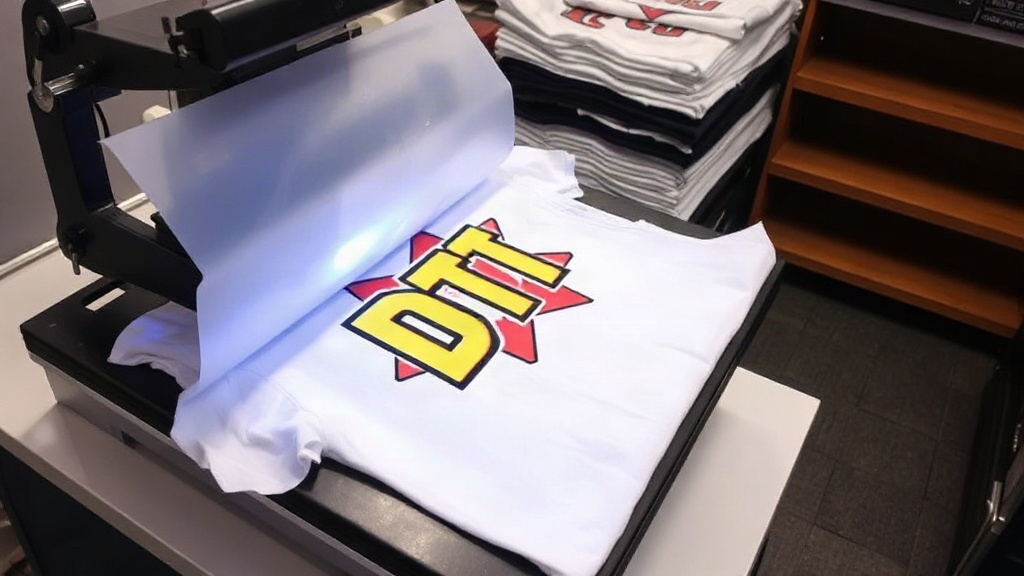
If you've been exploring custom apparel printing, you've likely heard about DTF Transfers. This innovative technology is rapidly becoming a favorite among crafters, small business owners, and DIY enthusiasts. Unlike traditional methods that require specific fabrics or extensive setup, DTF transfers offer a versatile, cost-effective solution for vibrant, long-lasting designs on almost any material. In this guide, we'll walk you through everything you need to know to get started, from the science behind the transfer to pro tips for flawless results.
What Are DTF Transfers?
DTF stands for Direct to Film. It's a printing process where your design is printed onto a special PET film using water-based inks, then coated with a thermoplastic powder that acts as an adhesive. When heat-pressed, the design bonds permanently to the fabric. This method eliminates the need for cutting or weeding, making it incredibly efficient for complex, multi-color designs. Whether you're printing a single shirt or a hundred, DTF transfers deliver consistent, high-quality results.
Why Choose DTF Transfers Over Other Methods?
You might be wondering how DTF compares to vinyl, screen printing, or DTG. Here's why many professionals are making the switch:
- No color limitations: Unlike vinyl, DTF can handle gradients, photographs, and fine details with ease.
- Fabric versatility: Works on cotton, polyester, blends, and even nylon. No need for special coatings or pre-treatment.
- Durability: When applied correctly, DTF prints withstand dozens of washes without fading or cracking.
- Cost-effective for small batches: No minimum order quantities, making it perfect for one-off projects or small businesses.
- Soft feel: The prints are flexible and lightweight, so they don't feel like a heavy patch on the garment.
How to Apply DTF Transfers: Step-by-Step
Getting a professional finish with DTF transfers is simple if you follow the right steps. Here's a detailed walkthrough:
1. Prepare Your Workspace and Materials
You'll need a heat press, your DTF transfer, the garment, and a protective sheet (like parchment paper or Teflon). Ensure your heat press is on a stable surface and preheated to the recommended temperature, typically around 325°F (160°C).
2. Pre-Press the Garment
Before applying the transfer, press the garment for 5-10 seconds to remove moisture and wrinkles. This step is crucial because trapped moisture can prevent proper adhesion and lead to peeling.
3. Position the Transfer
Place the DTF transfer on the garment with the printed side facing up. If your transfer has a backing film, make sure it's on top. Use heat-resistant tape to secure it if needed, especially for small designs.
4. Apply Heat and Pressure
Press down with medium to firm pressure for 10-15 seconds. The exact time can vary based on your press and the transfer manufacturer's instructions, so always check the guidelines. Too little pressure can cause incomplete transfer, while too much can distort the design.
5. Peel the Film
DTF transfers can be peeled either hot or cold, depending on the film type. Most modern films are cold peel, meaning you wait a few seconds until the transfer cools down before peeling. Slowly peel the film away; if any parts lift, press again for a few seconds.
6. Post-Press for Extra Durability
For maximum wash resistance, cover the design with a protective sheet and press again for 5-10 seconds. This step helps the adhesive fully cure and ensures a smooth finish.
Common Mistakes to Avoid with DTF Transfers
Even seasoned crafters can run into issues. Here are the most common pitfalls and how to sidestep them:
- Insufficient pressure: If the transfer doesn't stick, increase pressure. A good rule of thumb is to feel resistance when pressing down.
- Wrong temperature: Too hot and the film may melt; too cold and the adhesive won't activate. Invest in an infrared thermometer to verify your press's actual temperature.
- Peeling too early or too late: Follow the film's instructions. Cold peel films should be allowed to cool completely; hot peel films need immediate removal.
- Not pre-pressing: Skipping this step can lead to moisture bubbles and poor adhesion.
- Using the wrong fabric: While DTF works on many materials, highly textured fabrics like rib knit or mesh may require extra pressure and might not yield perfect results.
Design Tips for Stunning DTF Prints
To make your DTF transfers truly pop, consider these design best practices:
- Use high-resolution images: At least 300 DPI to avoid pixelation.
- Add a white underbase: DTF printers automatically print a white layer behind the colors, which is essential for vibrant prints on dark garments.
- Keep fine lines thick enough: Very thin lines (less than 0.5 pt) may not transfer cleanly.
- Test with a small sample: Before committing to a large batch, print a test piece to check color accuracy and detail.
Caring for Your DTF-Printed Garments
To extend the life of your prints, follow these care instructions:
- Wait at least 24 hours before the first wash to allow the adhesive to fully cure.
- Turn the garment inside out before washing.
- Use cold water and a gentle cycle.
- Avoid bleach and fabric softeners, which can degrade the print.
- Tumble dry on low or hang dry. If ironing, avoid direct heat on the print.
Frequently Asked Questions About DTF Transfers
Can I use DTF transfers on dark-colored shirts?
Absolutely. DTF transfers include a white ink layer that acts as a base, allowing colors to appear vibrant even on black or navy fabrics.
How long do DTF transfers last?
With proper application and care, DTF prints can last 50 washes or more without significant fading or cracking. The key is following the correct heat press settings and washing instructions.
Do I need a special printer for DTF transfers?
Yes, DTF printing requires a dedicated DTF printer and specialized inks and film. However, you can also purchase pre-printed DTF transfers from suppliers and apply them with a standard heat press.
What fabrics work best with DTF?
DTF works well on cotton, polyester, cotton-poly blends, and even some synthetic fabrics like nylon. It's not recommended for fabrics with a heavy texture or those that can't withstand heat.
Can I stretch the garment after applying a DTF transfer?
Yes, DTF transfers are flexible and will stretch with the fabric to some degree. However, excessive stretching may cause the print to crack over time, so handle with care.
With this guide, you're ready to dive into the world of DTF Transfers and create stunning, durable apparel that stands out. Whether you're a hobbyist or a business owner, mastering this technique opens up a world of possibilities.